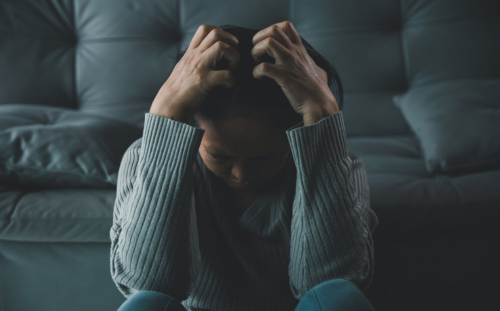
Mental health rehabilitation is a structured, long-term process that helps individuals with mental health conditions regain independence, improve daily functioning, and reintegrate into society. It is typically provided through a rehabilitation centre for mental health and includes therapy, medication management, life skills training, and ongoing support. This approach is most beneficial for people with severe mental illness, recurring depression, or those struggling to return to normal life after treatment.
What Is Mental Health Rehabilitation?
Mental health rehabilitation focuses on helping individuals rebuild their lives after the initial phase of treatment. While therapy and medication help control symptoms, rehabilitation works on restoring daily routines, confidence, and independence.
A professional rehabilitation centre for mental health provides structured care that supports long-term recovery—not just short-term relief. The focus is practical: helping individuals live, work, and interact socially with stability.
Why Rehabilitation Matters More Than You Think
Recovery doesn’t end when symptoms reduce. Many people continue to struggle with:
- Returning to work or education
- Maintaining relationships
- Managing daily responsibilities
- Building confidence
Without proper support, these challenges can lead to relapse. A structured mental health care approach ensures individuals receive continuous guidance to rebuild their lives step by step.
Who Needs Mental Health Rehabilitation?
Mental health rehabilitation is not for everyone, but for many, it becomes a turning point in recovery.
Individuals with Severe Mental Illness
People diagnosed with long-term conditions like schizophrenia or bipolar disorder often benefit from a rehabilitation centre for mentally ill, where consistent care and structured routines are available.
People Recovering from Depression
After a major depressive episode, returning to normal life can feel overwhelming. A rehabilitation center for depression helps individuals regain motivation, rebuild habits, and improve emotional stability.
Those Experiencing Repeated Relapses
Frequent setbacks indicate the need for deeper, long-term support. Rehabilitation provides stability and continuous monitoring.
Individuals Struggling with Daily Functioning
When mental health issues affect basic life skills like communication, hygiene, or work, rehabilitation focuses on rebuilding those essentials.
Patients After Hospital Treatment
After discharge, many individuals are not fully ready for independent living. Rehabilitation bridges this gap safely and effectively.
What Happens Inside a Rehabilitation Centre?
A well-structured rehabilitation centre provides more than treatment—it provides transformation.
Personalized Care Plans
Each individual receives a tailored recovery plan based on their condition and personal goals.
Therapy and Counseling
Includes individual sessions, group therapy, and behavioral approaches that improve emotional and psychological well-being.
Life Skills Training
Focuses on essential daily skills such as:
- Time management
- Communication
- Personal care
- Work readiness
Social Reintegration
Programs are designed to help individuals reconnect with family, community, and professional life.
Continuous Monitoring and Support
Regular supervision helps prevent relapse and ensures steady progress.
Final Thoughts
Mental health rehabilitation is not just about treatment—it’s about rebuilding lives. Whether someone is dealing with chronic mental illness, recovering from depression, or struggling with daily functioning, the right support system can make all the difference.
Choosing a trusted rehabilitation centre for mental health ensures that recovery is not temporary, but sustainable and meaningful.
FAQs
1. What is mental health rehabilitation and how does it work?
Mental health rehabilitation is a long-term support process that helps individuals recover from mental illness by improving daily life skills, emotional stability, and independence through therapy, routine, and guided care.
2. When should someone go to a rehabilitation centre for mental health?
A person may need a rehabilitation centre when they struggle to manage daily life, experience repeated relapses, or are unable to return to normal routines even after treatment or medication.
3. Can a rehabilitation center for depression really help in recovery?
Yes, it can help by providing structured routines, therapy, and continuous support, which are essential for rebuilding motivation, improving mood, and preventing relapse.
4. How long do people stay in a mental health rehabilitation centre?
The duration varies based on the individual’s condition. Some may need a few weeks, while others may require several months of structured support for stable recovery.
5. What services do psychiatric rehabilitation centres in Coimbatore provide?
They typically offer therapy, medication management, life skills training, social support programs, and continuous monitoring to help individuals achieve long-term recovery.
6. Is mental health rehabilitation only for severe mental illness?
No, it is also helpful for individuals dealing with moderate conditions like depression or anxiety when these issues affect daily functioning and quality of life.