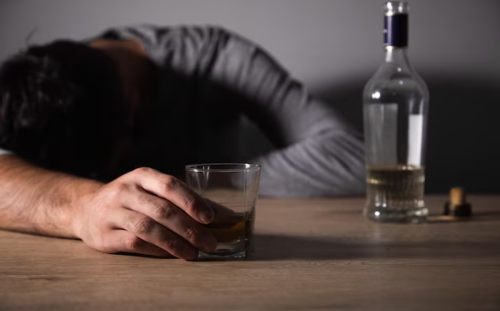
Addiction does not happen overnight. It develops gradually through emotional, psychological, and physical changes that affect a person’s brain and behavior. Understanding the stages of addiction can help individuals and families recognize warning signs early and seek professional help before the condition becomes severe.
Whether it involves alcohol, drugs, prescription medication, or other substances, addiction often follows a repeating cycle that becomes harder to break without proper treatment and support. If you or your loved one is struggling with substance abuse, getting support from a deaddiction centre and an experienced psychiatrist in Coimbatore can make recovery possible.
What Is Addiction?
Addiction is a condition where a person becomes unable to control the use of alcohol, drugs, or harmful substances despite negative consequences. Over time, substance use changes the brain’s reward system, making the individual crave the substance repeatedly.
Common forms of addiction include:
- Alcohol addiction
- Drug addiction
- Prescription medication abuse
- Nicotine addiction
- Behavioral addictions
The 6 Stages of Addiction
1. Initial Use or Experimentation
The addiction cycle often begins with experimentation. A person may try alcohol or drugs out of curiosity, peer pressure, stress relief, emotional pain, or social situations.
At this stage, the person may believe they are fully in control. However, repeated exposure increases the risk of dependence, especially in individuals with mental health issues or trauma.
2. Regular Use and Misuse
After initial experimentation, substance use becomes more frequent. The individual starts using alcohol or drugs regularly and may begin relying on them emotionally or socially.
Signs of misuse include:
- Increased cravings
- Changes in mood or behavior
- Neglecting responsibilities
- Frequent substance use
This stage is dangerous because occasional use slowly becomes habitual behavior.
3. Tolerance Development
As the brain adapts to the substance, the same amount no longer produces the desired effect. This is called tolerance.
The person begins to:
- Consume larger quantities
- Use substances more often
- Seek stronger drugs or alcohol
Tolerance is a major warning sign because it indicates physical changes in the brain and body.
4. Dependence
Dependence develops when the body and brain start functioning abnormally without the substance.
Withdrawal symptoms may include:
- Anxiety
- Sweating
- Tremors
- Depression
- Sleep problems
At this stage, individuals often require professional alcohol deaddiction or drug deaddiction treatment.
5. Addiction
Addiction occurs when substance use becomes uncontrollable. The individual continues using despite serious health, emotional, social, or financial consequences.
Common symptoms include:
- Loss of control
- Failed attempts to quit
- Intense cravings
- Isolation from family and friends
- Risky behavior
At this stage, professional help from a deaddiction centre becomes essential.
6. Relapse
Recovery is a long-term process, and relapse can occur during treatment or after sobriety.
Triggers may include:
- Stress
- Anxiety
- Depression
- Trauma
- Social pressure
Relapse does not mean failure. Proper therapy, counseling, and psychiatric care help reduce relapse risks.
Psychological and Physical Effects of Addiction
Physical Effects
- Liver damage
- Heart disease
- Sleep disorders
- Brain damage
- Weak immune system
Mental Health Effects
- Anxiety disorders
- Depression
- Mood swings
- Panic attacks
- Emotional instability
Many individuals with addiction also require support from a qualified psychiatrist in Coimbatore for complete recovery.
Common Causes of Addiction
Several factors contribute to addiction development, including:
- Genetic history
- Mental health disorders
- Peer pressure
- Trauma and stress
- Environmental influences
People dealing with untreated mental health issues are more vulnerable to substance abuse and addiction.
Warning Signs of Addiction
Behavioral Signs
- Isolation
- Secretive behavior
- Financial problems
- Mood swings
Physical Signs
- Weight changes
- Poor hygiene
- Fatigue
- Tremors
Emotional Signs
- Anxiety
- Depression
- Irritability
Recognizing these signs early can help families seek timely treatment from a professional drug deaddiction or alcohol deaddiction center.
How a Deaddiction Centre Helps
A professional deaddiction centre provides structured treatment plans to help individuals recover safely and effectively.
Treatment programs may include:
- Medical detoxification
- Individual counseling
- Group therapy
- Family counseling
- Relapse prevention
- Behavioral therapy
Professional rehabilitation centers focus on both physical recovery and emotional healing.
Importance of Psychiatric Support in Addiction Recovery
Mental health plays a major role in addiction treatment. Many individuals use substances to cope with untreated emotional or psychological conditions.
An experienced psychiatrist in Coimbatore can help by:
- Diagnosing mental health disorders
- Managing withdrawal symptoms
- Providing therapy and medication
- Supporting long-term recovery
- Preventing relapse
Integrated psychiatric support improves recovery success rates significantly.
Can Addiction Be Treated Successfully?
Yes. With proper medical care, counseling, emotional support, and rehabilitation, recovery is possible.
Successful recovery often includes:
- Professional treatment
- Lifestyle changes
- Family support
- Ongoing counseling
- Relapse prevention strategies
Seeking help early from a trusted deaddiction centre can prevent severe health complications and improve quality of life.
Final Thoughts
Understanding the stages of addiction helps individuals and families recognize warning signs before the condition becomes severe. Addiction is a medical and psychological condition that requires professional care, emotional support, and long-term recovery planning.
Whether someone is struggling with alcohol abuse or substance dependence, professional alcohol deaddiction, drug deaddiction, and psychiatric care from an experienced psychiatrist in Coimbatore can help them rebuild a healthier and addiction-free life.